

“They must float up and down with the tide. The anchor problem must be mastered. Let me have the best solution worked out. Don’t argue the matter. The difficulties will argue for themselves.”
Sir Winston Churchill
A recent addition to the Museum Collection, this archive and medal group record the work of Colonel Vassal Steer-Webster.
Steer-Webster was the Deputy Director of Experimental Engineering. When the unprecedented engineering and logistical challenges of the Allied invasion of Normandy were realised, it was Steer-Webster’s department that was tasked with devising a means to land troops and supplies on the beaches less well defended than those with harbours.
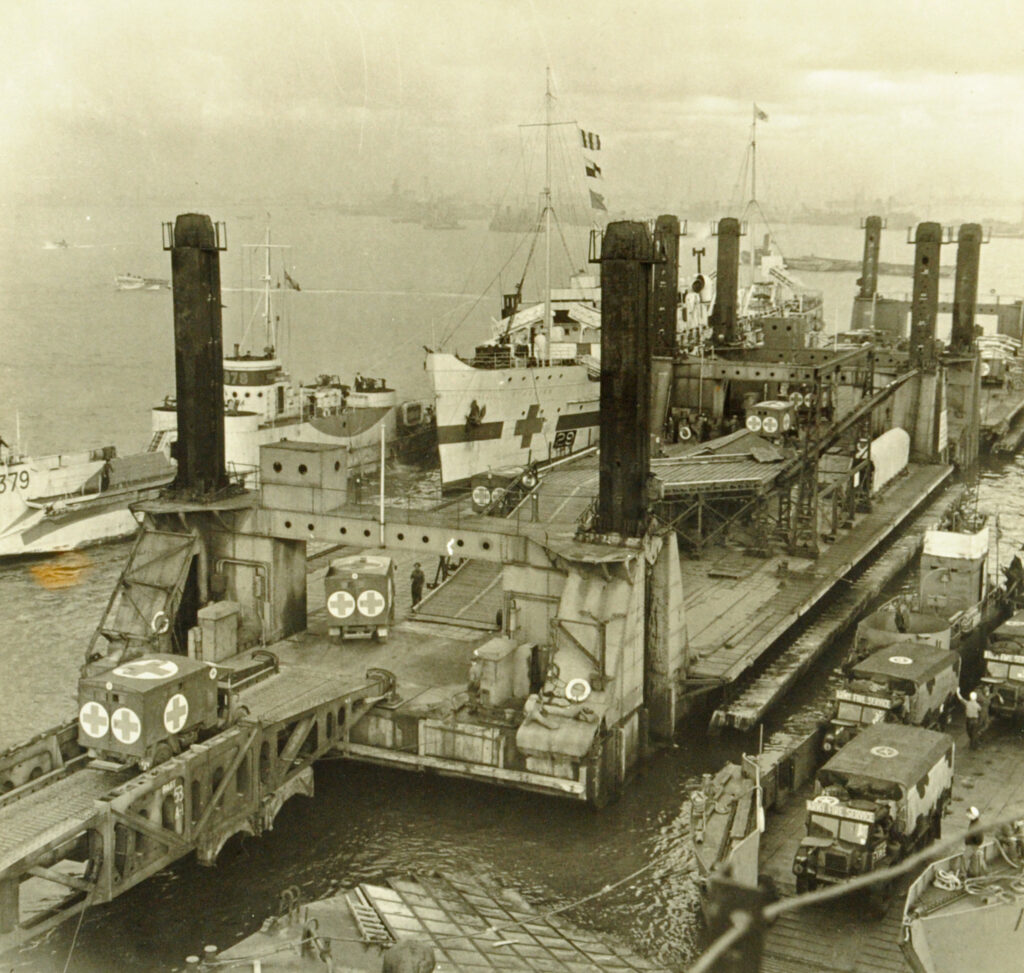
The Mulberry Harbour in operation ©RE Museum 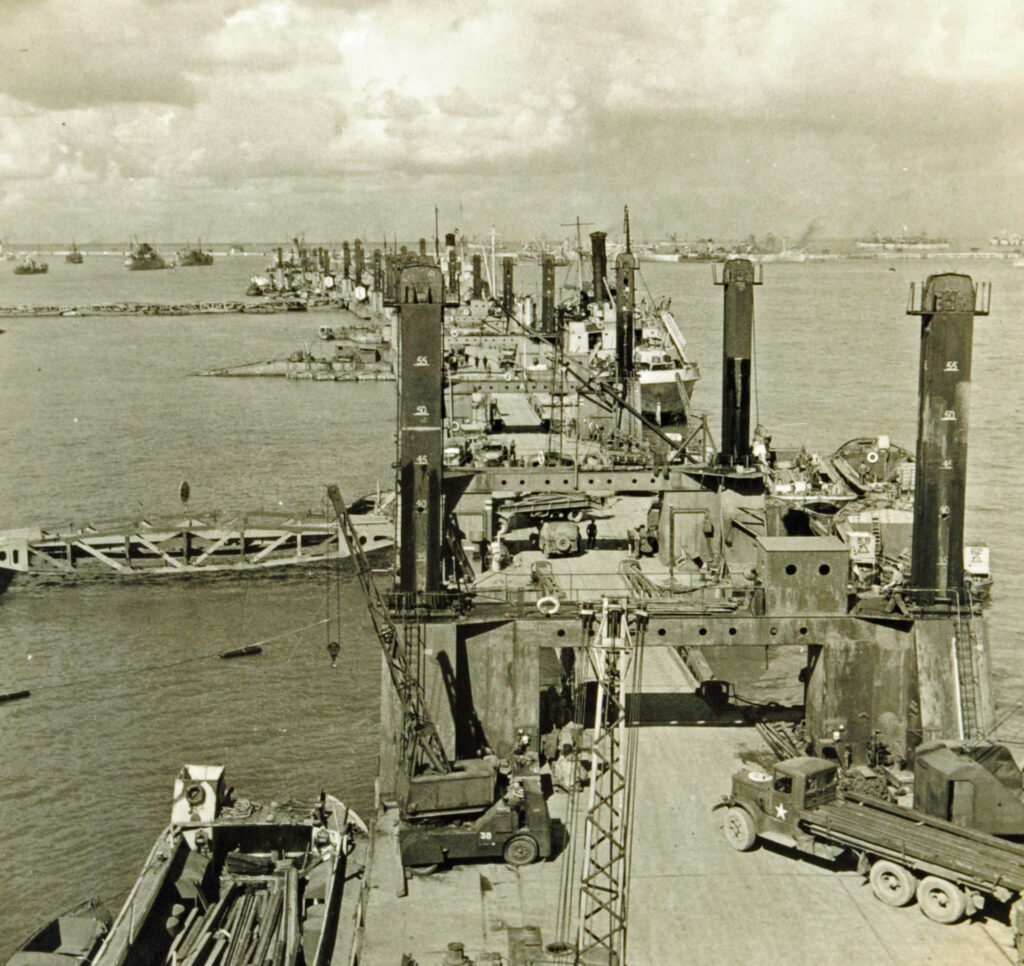
The Mulberry Harbour in operation ©RE Museum
The result was the Mulberry Harbour. Prefabricated in the dockyards of Britain, it was towed in sections across the Channel and constructed on the Normandy beachhead by Royal Engineers. Colonel Steer-Webster played a leading role in the design, development and trials of the Mulberry Harbour and was in almost daily contact with Sir Winston Churchill during its construction and development.
Colonel Steer-Webster had two major contributions in particular. Before the conception of Mulberry he designed flexible concrete mats, known as “Chocolate Mattresses”, which were used as runways across the soft sand to get army vehicles ashore. During the design and trials of Mulberry he took a lead in the development of the “whales”, the flexible floating steel roadways.
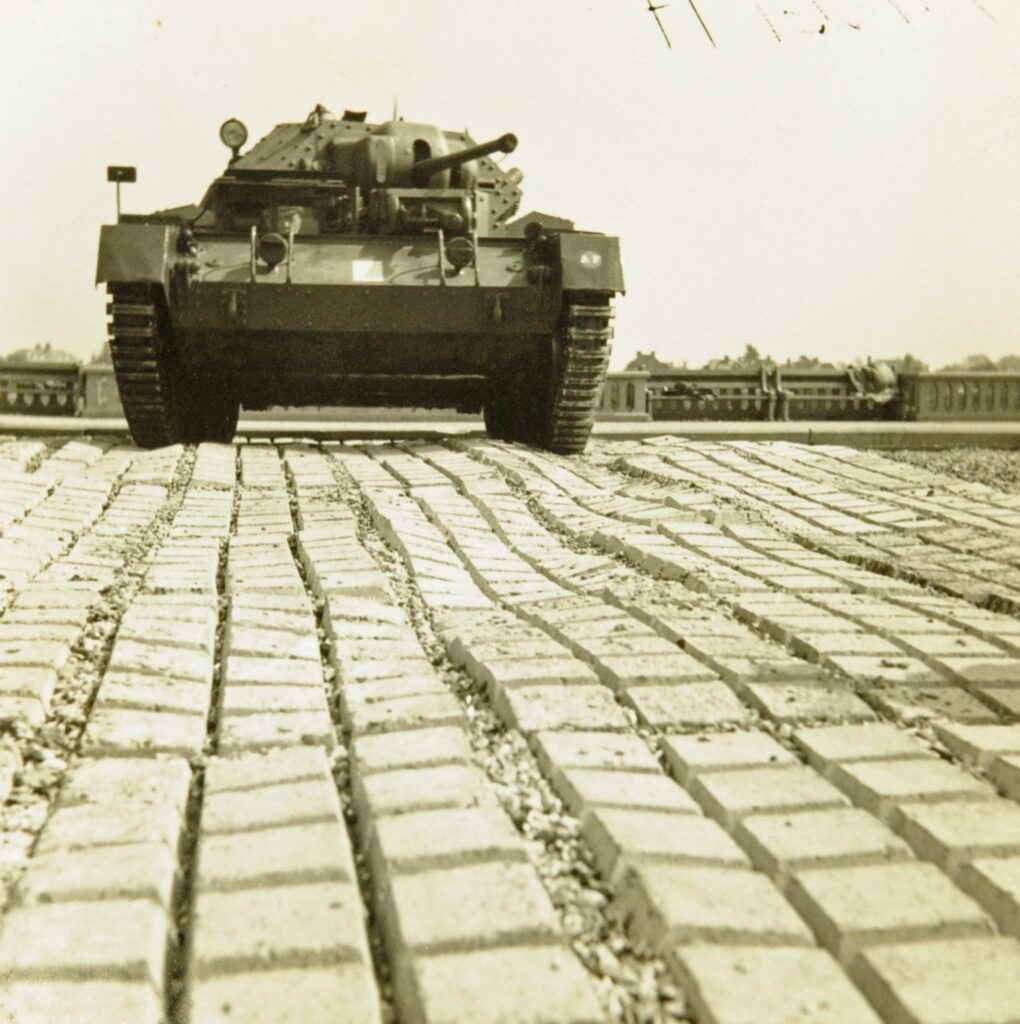
“Chocolate Mattresses” on the beach ©RE Museum 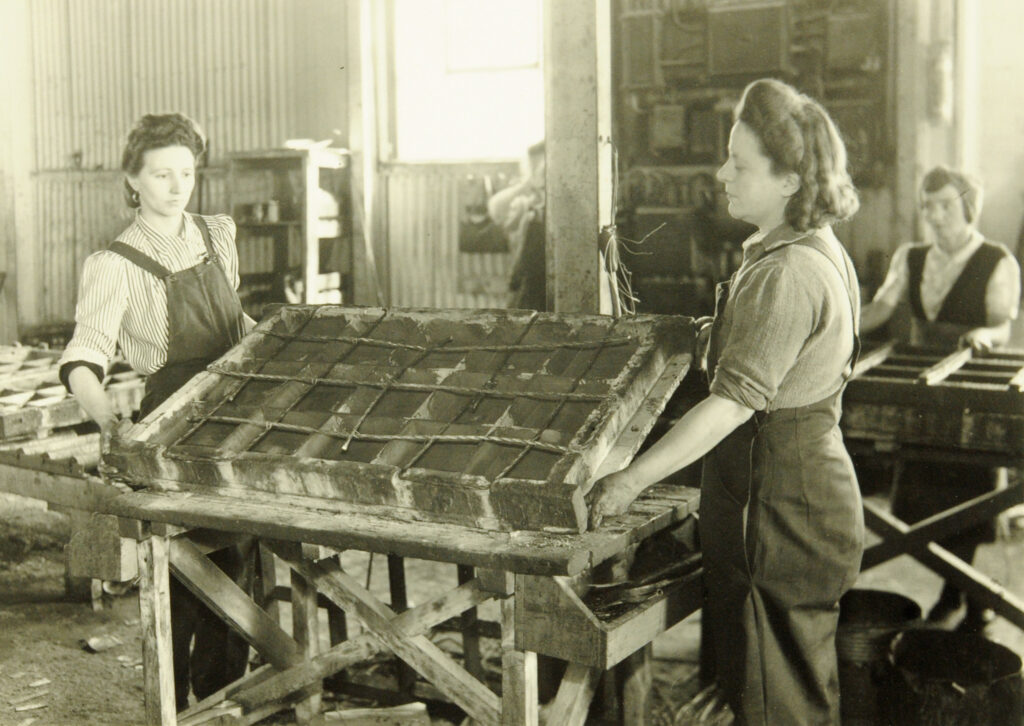
Female factory workers make the “Chocolate Mattresses” that linked the harbour roadways to the shore ©RE Museum
The collection of Colonel Steer-Webster is a unique and significant archive of photographs, documents, medals and models relating to the design of the Mulberry Harbours.
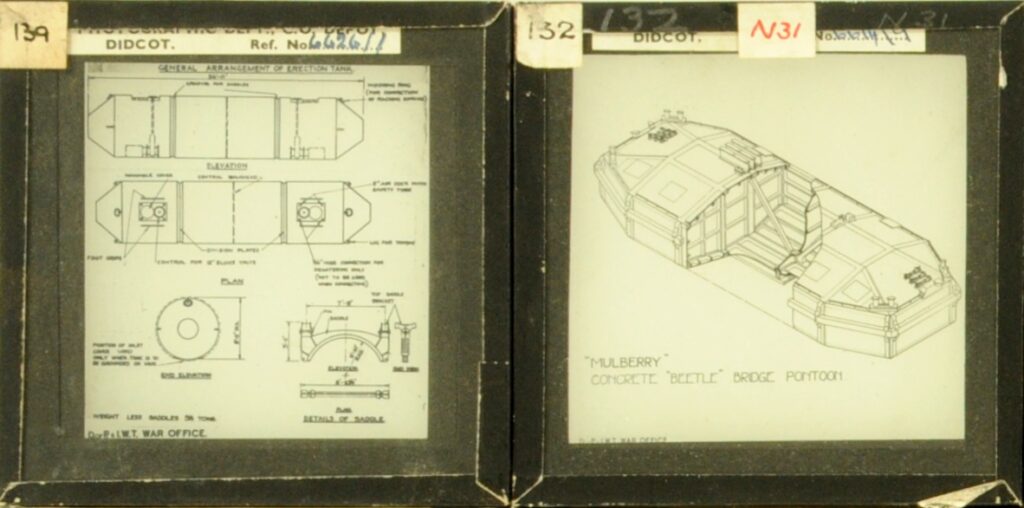
Of particular interest are the 150 black and white photographs of the Mulberry Harbour in construction and use, and 71 photographic slides that include design drawings and images of the final harbour.
There is also an extensive scrapbook of the tour of Canada Steer-Webster made to show the Canadians how essential to victory the Mulberry Harbour was and that their casualties had not been in vain.
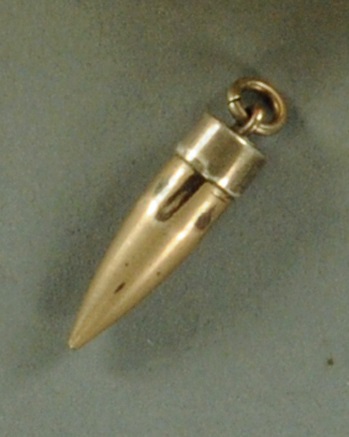
The aforementioned bullet ©RE Museum 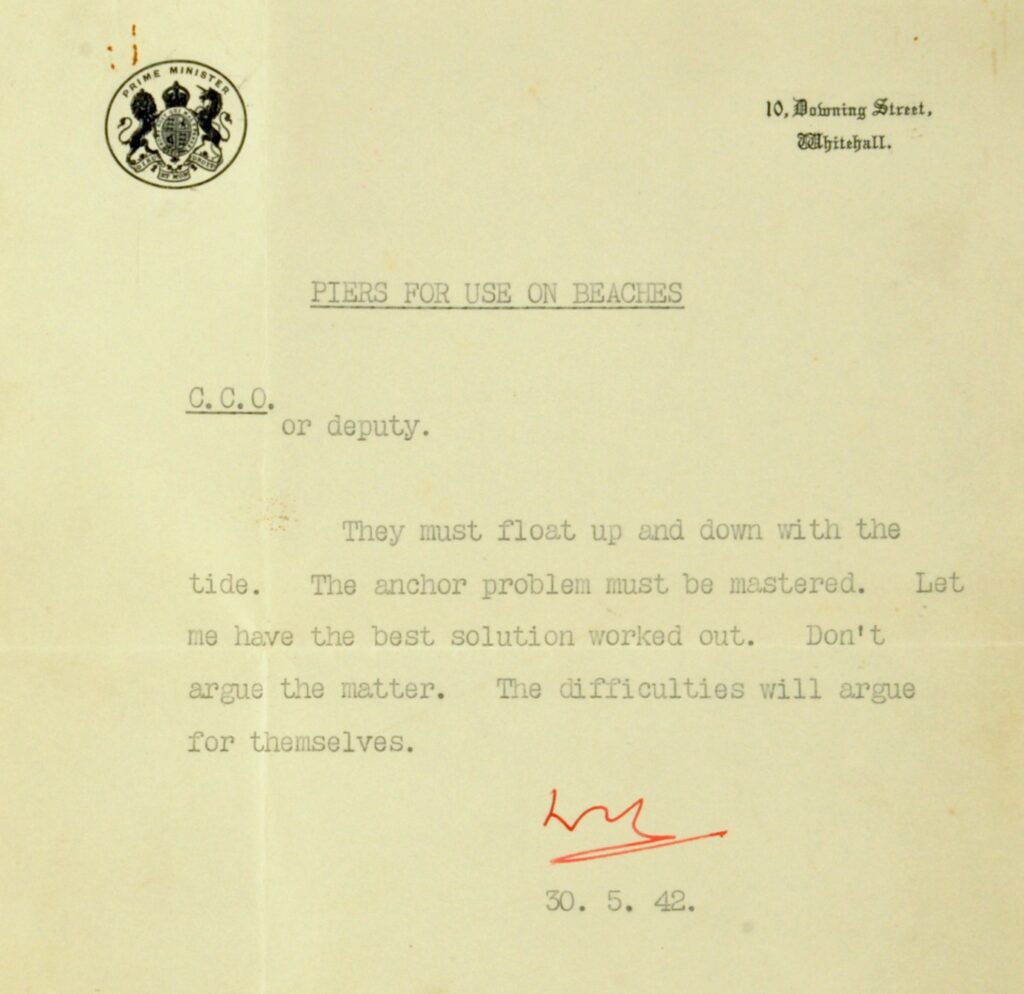
Memo questioning the habour designs from Churchill ©RE Museum 
Colonel Vassal Charles Steer-Webster
©RE Museum
Steer-Webster’s Army career spanned both World Wars and the collection includes items from his service during the First World War. The bullet removed from his buttock, invaliding him out of the infantry and into the Royal Engineers, is a particular favourite of ours.
Purchase & Future Plans
The collection is a unique record from a significant British Engineer working on one of the most urgent and innovative construction projects of the Second World War. Acquisition by the Museum has ensured the collection will become publicly available for the first time. It will be available to researchers when our newly redeveloped Research Room reopens in autumn 2021.
We were able to purchase this fantastic collection thanks to our wonderful Just Giving supporters and FoREM members as well as grants from the V&A Purchase Fund, Wates Family Enterprise Trust and the National Friends of Libraries.
We also hold 7,500 of the wartime technical plans and drawings used for the manufacture of these amazing constructions. However, the plans are now in urgent need of conservation to repair crushing and tearing caused by poor storage. The plans require more detail research and digitisation so that they can be better understood and made publically available.
We are hoping to raise £190,000 to ensure their future. Please contact us for more information or donate here.
26 July 2021